
5 Money hacks in your 20s that can shape your 30s
Handling money in your 20s can feel overwhelming. You’re earning your first paycheck, maybe juggling a side hustle, and suddenly the responsibility of “adulting” kicks in. I didn’t grow up with much, so I learned everything I know about finances from mentors, books, and experience. And now at 32, I’m reaping the fruit of the choices I made early on.
In this episode, I’m sharing the money moves that transformed my finances (and my heart!), biblical wisdom, practical tips, and lessons that you can start applying today.

“The plans of the diligent lead to profit as surely as haste leads to poverty.
”

1. Pay yourself first
Treat your savings and investments like a non-negotiable bill. Even if it’s just ₱500 a month, it adds up! I built a system in my 20s that taught me the importance of discipline, with 20% allocated for savings and 10% for generosity, such as tithing.

2. Increase your income stream
Don’t rely on one job. Side hustles, freelance work, and even small gigs add up not just in money but also in skills and connections.

3. Live below your means
The real flex? Not showing off, but building quiet wealth. I used the “3x rule”: never buy anything unless I could afford it three times over. There’s freedom in knowing you don’t have to keep up. True contentment is when you can walk away from the pressure to spend just to impress.
4. Master your spending
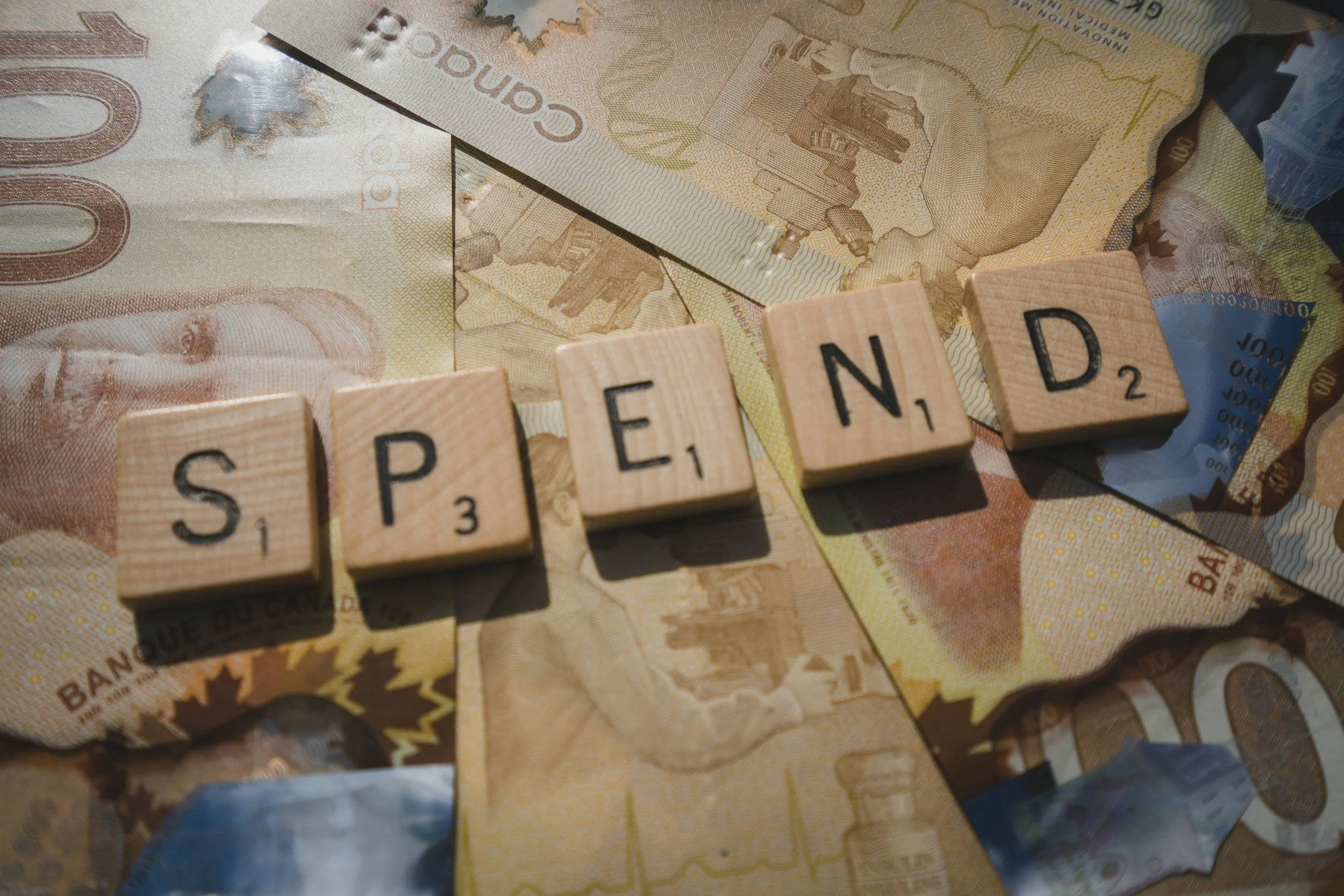
From the 50-30-20 rule, to tracking your expenses for 30 days, to the 24-hour rule before buying, I practiced small, consistent habits. Budgets aren’t about restriction, but about redirection. You’re telling your money where to go, instead of wondering where it went.
5. Use credit cards strategically
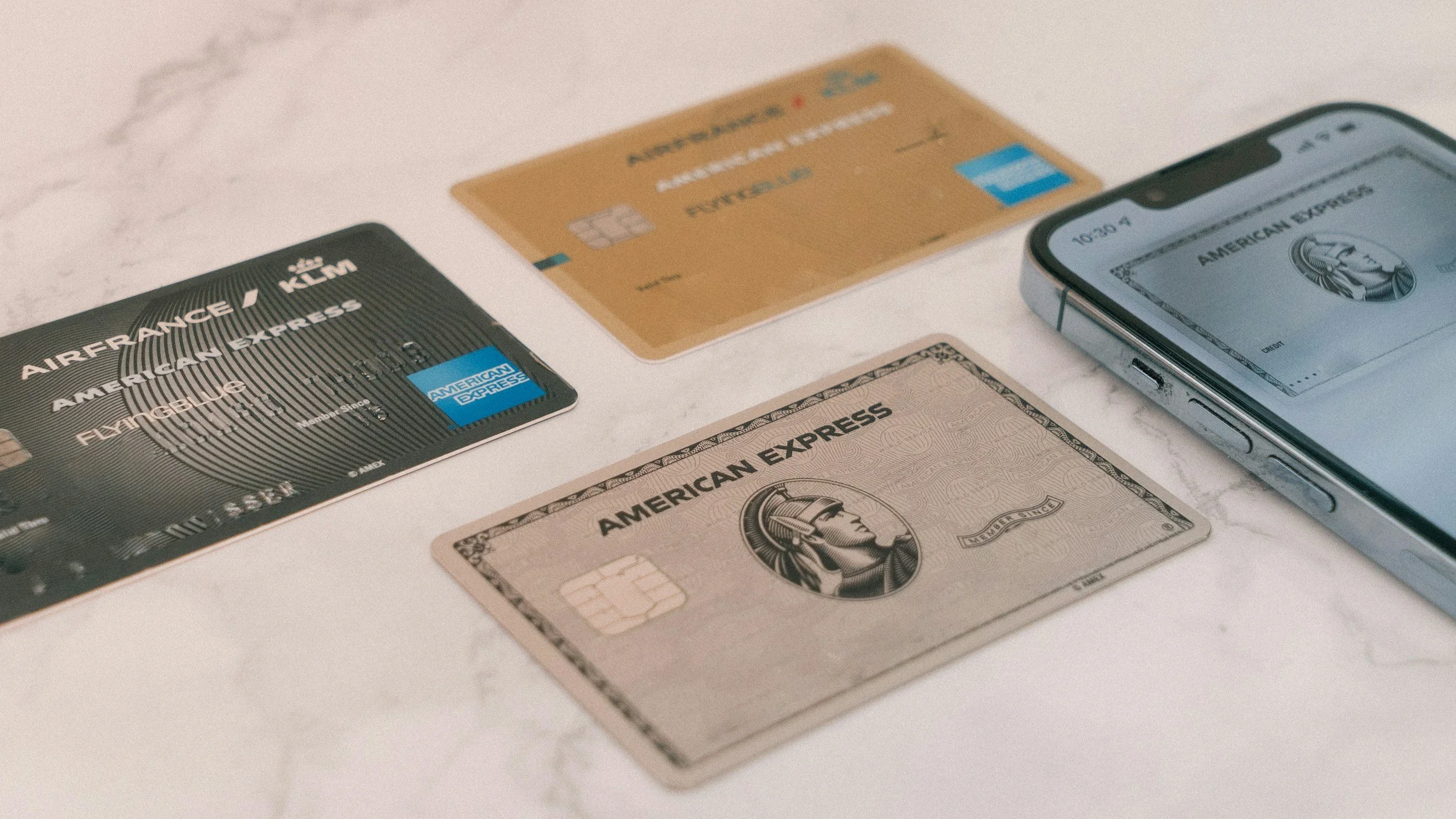
Credit isn’t evil, but it can trap you if you’re not careful. My golden rule: never swipe unless I can pay it in full. Debt is a tool, not a trap. The key is to make your money work for you, not the other way around.

6. Audit your financial circle
Surround yourself with mentors and friends who model healthy money habits. If your circle normalizes debt, you’ll think it’s okay to drown in it. But if your circle normalizes saving, giving, and investing, you’ll rise to that level too.